
Winter Wedding Florals - Bouquet Ideas
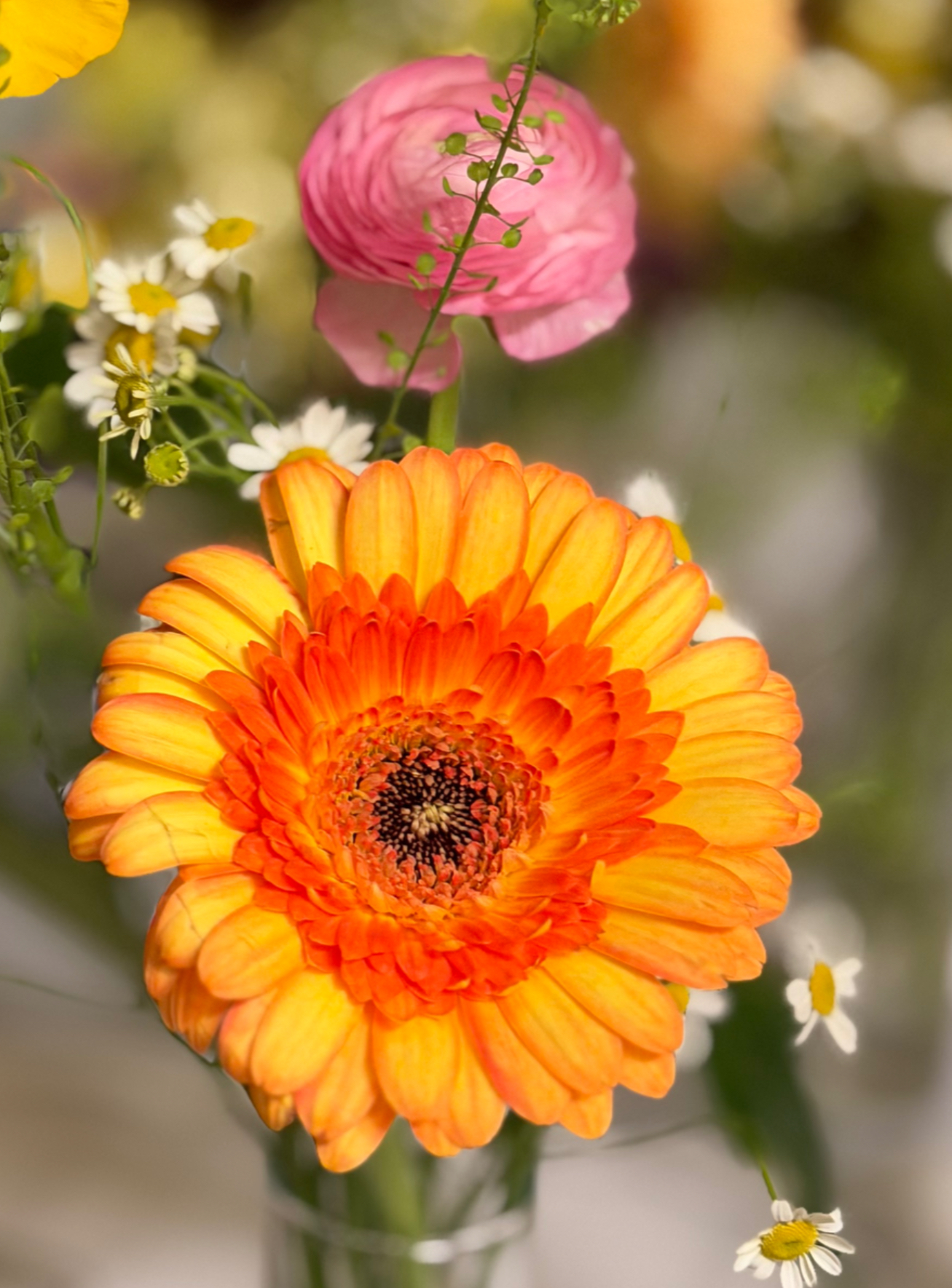
Winter wedding flowers have a special job. They need to feel romantic without looking too springlike, seasonal without becoming too rustic, and rich without overpowering the ceremony. That is where red and white roses, ranunculus, anemones, and evergreen textures shine.
This palette works because it balances contrast and softness. Red roses bring warmth. White roses add calm elegance. Ranunculus create delicate movement. Anemones give the arrangement a crisp, graphic detail. Pine, holly, and seeded eucalyptus tie everything to the season in a way that feels natural, not themed.
For a winter ceremony, these florals can shape the whole mood of the day. A bouquet becomes more than something carried down the aisle. A boutonnière does more than finish a jacket. Together, they create a clear visual thread from the processional to the portraits, from the altar to the reception entrance.

Why red, white, and evergreen work so well for winter weddings
Winter light changes how flowers look. Soft daylight, candlelight, and indoor ceremony spaces often make pale colors feel gentle and deep colors feel dramatic. A red, white, and evergreen palette gives the eye a place to rest while still feeling full of emotion.
Red roses add warmth to a cold-weather setting. They feel classic, formal, and deeply romantic, which makes them ideal for ceremonies held in chapels, historic venues, lodges, ballrooms, or intimate restaurants.
White roses soften the arrangement. They keep the design from feeling too dark and make the bouquet feel bridal without relying on a fully white palette. White also reflects winter light beautifully in photos.
Ranunculus bring layered petals and a light, fluttering shape. They help the bouquet feel fresh and artful, especially when placed near tighter roses or dark anemone centers.
Anemones add contrast. Their dark centers create a striking detail that reads beautifully in close-up images. They can make a bouquet feel modern, romantic, or slightly woodland depending on the greenery around them.
Then the greenery grounds the whole design. Pine adds winter character. Holly offers gloss and a hint of red berry. Seeded eucalyptus gives soft movement and a silvery green color that blends well with snow, candlelight, velvet, and winter whites.
The flowers that build a stunning winter bouquet
A strong winter bouquet usually has more than one focal flower. The beauty comes from the mix: large blooms, smaller layered flowers, dark accents, and textured greenery. Red and white roses, ranunculus, and anemones all play different roles.
Red roses add warmth and ceremony drama
Red roses create instant presence. In a winter wedding, they can feel rich and intentional, especially when paired with ivory, evergreen, and subdued metallic accents.
For a classic look, use red roses as the main focal bloom and keep the rest of the palette soft. White ranunculus and white roses can frame the red without competing with it. A few anemones add contrast, while pine or eucalyptus prevents the bouquet from feeling too formal.
For a moodier design, ask for deeper red roses, such as burgundy or wine-toned varieties. These pair beautifully with candlelit ceremony spaces, dark wood, black accents, forest green linens, and velvet ribbons.
White roses keep the palette elegant
White roses are the quiet anchor of this floral story. They brighten red blooms, soften anemones, and make evergreen textures feel polished.
A bouquet with white roses does not need to be plain. When white roses sit beside ranunculus, anemones, and seeded eucalyptus, the design gains depth without relying on many colors. It feels wintery, refined, and timeless.
White roses also work well in boutonnières. A single white rosebud with pine and seeded eucalyptus can look crisp and classic.
Ranunculus bring softness and movement
Ranunculus are loved for their layered, tissue-like petals and add a romantic garden feel.
White ranunculus can brighten the bouquet. Red ranunculus can make the design feel lush and painterly.
Because ranunculus have delicate stems and petals, they are especially lovely in hand-tied bouquets with a natural shape.
Anemones create a crisp winter accent
Anemones bring a signature look. White petals with dark centers create a clean contrast that feels especially fitting for winter. They look striking against red roses and evergreen foliage, and they photograph beautifully from a distance.
Greenery options that make winter florals feel seasonal
Greenery matters just as much as the flowers in a winter arrangement. It adds scent, shape, and a sense of place. Pine, holly, and seeded eucalyptus each bring something different.
Pine gives structure and a seasonal scent
Pine is one of the clearest ways to signal winter without relying on heavy holiday styling. Its needle texture contrasts beautifully with soft rose petals and ranunculus.
Holly adds shine and a touch of red
Holly brings glossy leaves and, when available, bright red berries. This makes it a natural partner for red roses.
Seeded eucalyptus softens the whole design
Seeded eucalyptus is a favorite for winter weddings because it has a muted green tone with cool, silvery notes. Its small seed clusters add texture without feeling sharp or heavy.
Bridal bouquet ideas for a winter ceremony
The bridal bouquet is often the most photographed floral piece of the day. With red and white roses, ranunculus, anemones, and evergreen accents, the bouquet can feel classic, romantic, dramatic, or natural.
Choose a rounded bouquet for timeless elegance
A rounded bouquet suits formal winter ceremonies. It works well with a balanced mix of red roses, white roses, ranunculus, and several anemones. Pine and eucalyptus can be tucked in neatly, giving the bouquet a polished outline.
This style pairs well with satin gowns, clean silhouettes, black-tie dress codes, and candlelit indoor settings. It also photographs cleanly because the shape is easy to read from every angle.
Choose a loose bouquet for natural winter romance
A looser bouquet feels gathered and organic. This style allows ranunculus to sit at different heights, anemones to face outward, and greenery to create movement. .
This style works beautifully for snowy outdoor portraits, rustic venues, garden chapels, barns, lodges, and intimate winter ceremonies. It feels less formal but still very considered.

Boutonnière ideas that feel refined, not fussy
Boutonnières should connect to the bouquet, but they do not need to copy it exactly. The best designs use a few small elements from the main floral palette.
A winter boutonnière might include:
A small red rosebud with pine and seeded eucalyptus
A white ranunculus with holly berries and a tiny anemone accent
A white rosebud with seeded eucalyptus and a single dark-centered anemone
A red ranunculus with pine needles and a glossy holly leaf

How these florals enhance the ceremony
Flowers shape how a ceremony feels before anyone says a word. Guests notice the aisle, the altar, the bouquets, and the small floral details as they enter. A thoughtful winter palette helps the space feel warm, romantic, and complete.
A bouquet with red roses, white roses, ranunculus, anemones, pine, holly, and seeded eucalyptus creates a strong focal point during the processional. The red blooms draw the eye. The white flowers keep the look luminous. The dark anemone centers add definition. The greenery connects the flowers to the season.
Boutonnières add the same story in smaller form. They bring the palette into close-up moments: walking down the aisle, exchanging vows, hugging family, and posing for portraits. When the bouquet and boutonnières share the same flowers and greenery, the ceremony feels visually connected.
Evergreen textures make the design feel seasonal. Roses and ranunculus keep it romantic. Anemones add a clean, memorable detail.
Ways to carry the floral palette beyond the bouquet
The same flowers can appear throughout the ceremony in simple, elegant ways. Repetition creates a polished look without needing huge arrangements everywhere.
Consider using the palette in:
Aisle markers with pine, eucalyptus, and small white blooms
Altar arrangements with red roses, white roses, and anemones
Welcome table cnterpieces with holly and seeded eucalyptus
Floral pieces for family members, such as corsages or pin-on flowers
Small arrangements near programs, candles, or guest books

Practical tips for planning winter wedding flowers
A beautiful winter floral plan starts with clear priorities. Decide which pieces matter most for the ceremony, then let the rest support those moments.
Start with the bouquet and boutonnières. These pieces appear in portraits and during the ceremony, so they need to feel personal and complete. From there, build the altar flowers, aisle accents, centerpieces and smaller details.
Share your venue, attire colors, ribbon preferences, and ceremony lighting with your florist. Winter flowers can look very different in natural daylight than they do under warm indoor lights. Photos of the venue help your florist suggest the right balance of red, white, green, and texture.
Ask about flower availability, too. Roses are widely available, and ranunculus and anemones are often popular in cooler months, but exact shades and varieties can vary. A skilled florist can keep the same feeling even if one bloom needs a seasonal substitute.
A winter floral palette with lasting romance
Red and white roses, ranunculus, anemones, pine, holly, and seeded eucalyptus create a winter wedding look that feels rich, graceful, and deeply seasonal. The flowers bring romance. The greenery brings texture. The contrast gives every detail more presence, from the bridal bouquet to the smallest boutonnière.
For a ceremony, this palette does more than decorate the space. It frames the vows, warms the room, and gives the day a clear visual identity. Whether the setting is candlelit, snowy, rustic, or formal, these winter florals offer a timeless way to make the ceremony feel beautiful from the first walk down the aisle to the final portrait.


Comments